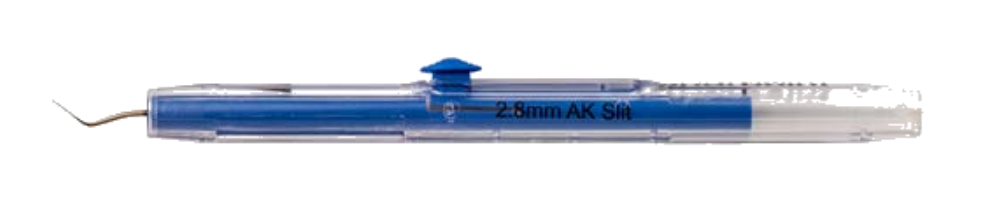
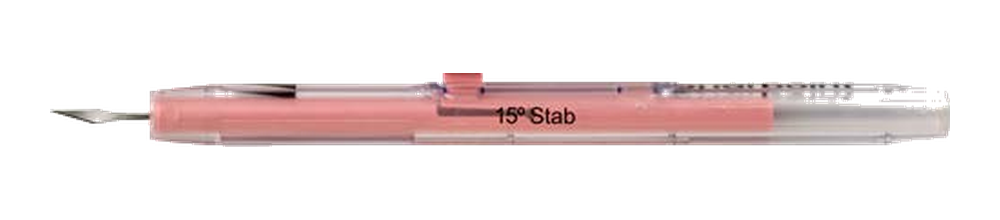
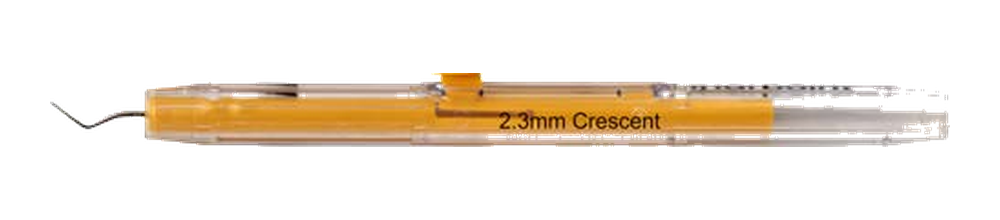
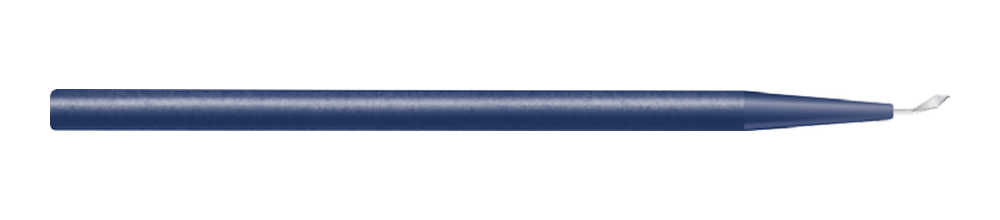
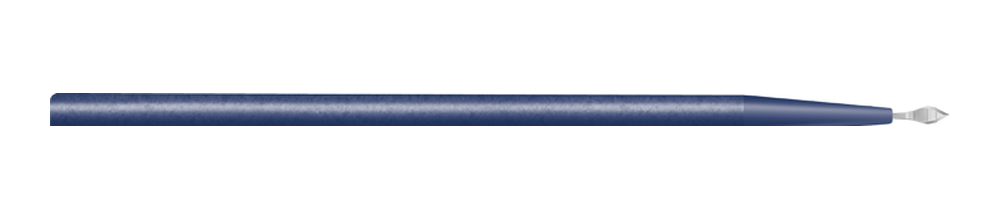
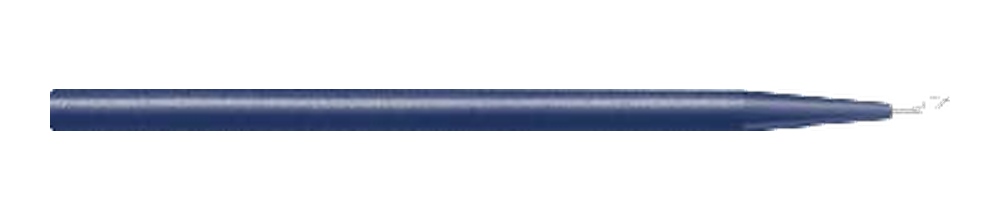
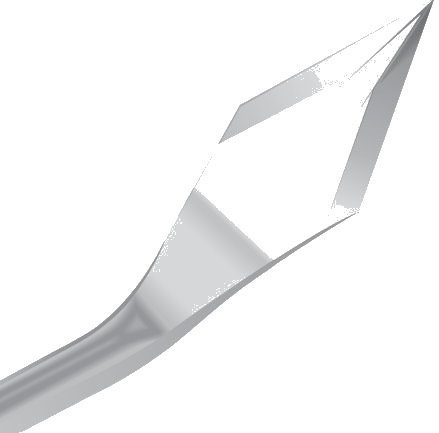
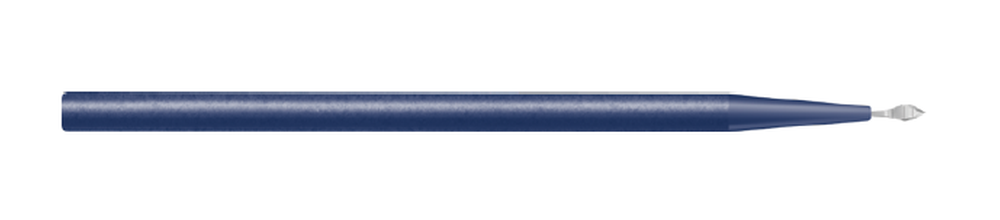
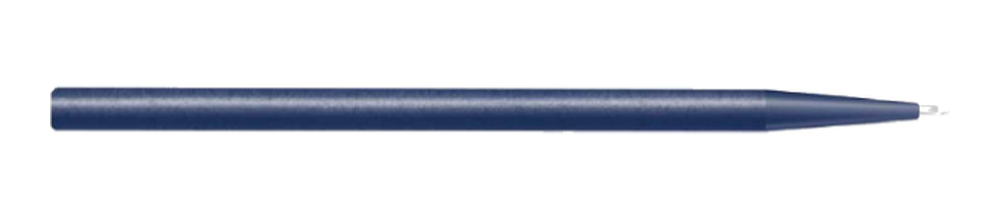
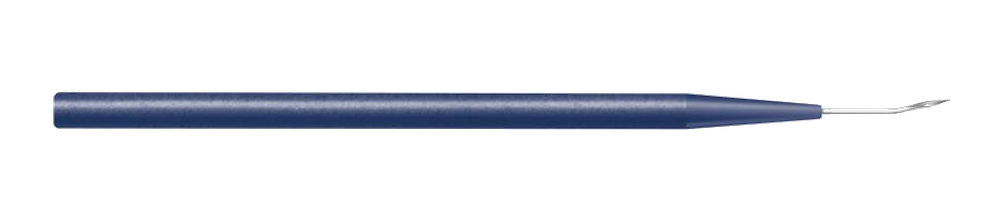
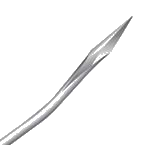
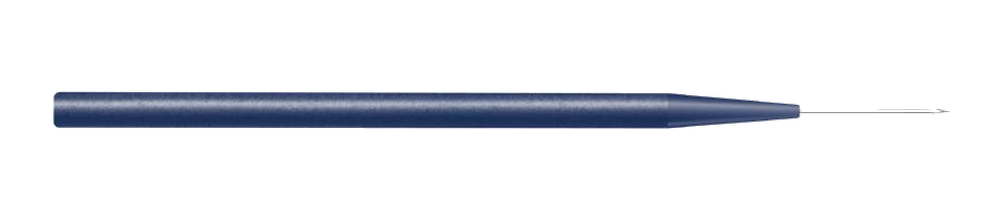
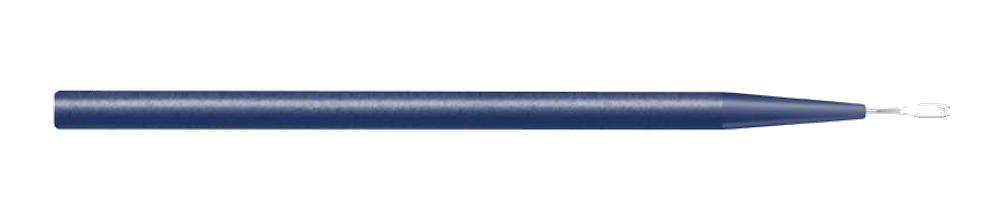
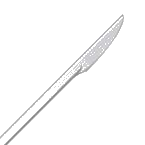
Single-Use Ophthalmic Surgical Knives
Setting a new
standard in
knives.
Since 1969, Sharpoint® has focused on one objective: redefining what surgeons expect of their microsurgical knives. Built on decades of knife engineering expertise, Sharpoint knives are designed not only for exceptional sharpness, but for the complete performance experience — how the knife engages tissue, how efficiently it initiates an incision, how smoothly it advances, and how reliably it performs from case to case. True knife performance is the result of precise geometry, optimized penetration force, minimized drag, and uncompromising manufacturing consistency. Our commitment to advanced edge refinement and rigorous quality standards has made Sharpoint a trusted name among ophthalmic surgeons worldwide. We at Corza Medical continue to invest in next-generation edge technologies and expanded product innovation, ensuring surgeons have access to designs engineered to meet the evolving demands of modern ophthalmic surgery.
The Factors of Knife Performance
Sharpness is an output of a knife that can be objectively measured. However, over time, sharpness has become a subjective term. The feeling of sharpness, or knife performance, is in fact a combination of factors: geometry, penetration force, drag, and consistency.
01
Geometry
Geometry is the structural foundation of performance.
Knife geometry encompasses the precise shape, bevel configuration, edge angle, and tip design. These structural elements determine how the knife initiates contact, tracks through tissue, and maintains the intended incision path.
Refined geometry supports controlled entry, stable advancement, and predictable wound architecture. Subtle differences in angle and bevel structure meaningfully influence tactile feedback and surgical precision.
02
Penetration Force
Performance begins at penetration.
Penetration force refers to the amount of force required for the knife to enter tissue and begin the incision. Optimized penetration force allows for smoother entry without the need for excessive downward pressure.
Balanced edge refinement and surface finishing reduce variability at the moment of entry, supporting stability and control from the first point of contact.
03
Drag
Smooth advancement drives predictable results.
Drag describes the resistance encountered as the knife moves through tissue after entry. Excess resistance can interrupt motion and impact incision consistency.
By refining surface characteristics and edge uniformity, drag can be minimized to support a smooth, continuous cutting experience. Reduced resistance enhances fluid motion and enables precise depth and trajectory control.
04
Consistency
Consistency turns performance into a standard.
Consistency ensures that each knife performs to the same standard across production lots. Precision manufacturing processes and rigorous quality controls are essential to delivering repeatable performance.
Reliable consistency builds surgical confidence. When performance is predictable from case to case, surgeons can focus fully on the procedure, not the instrument.